Dolpo
2 trips
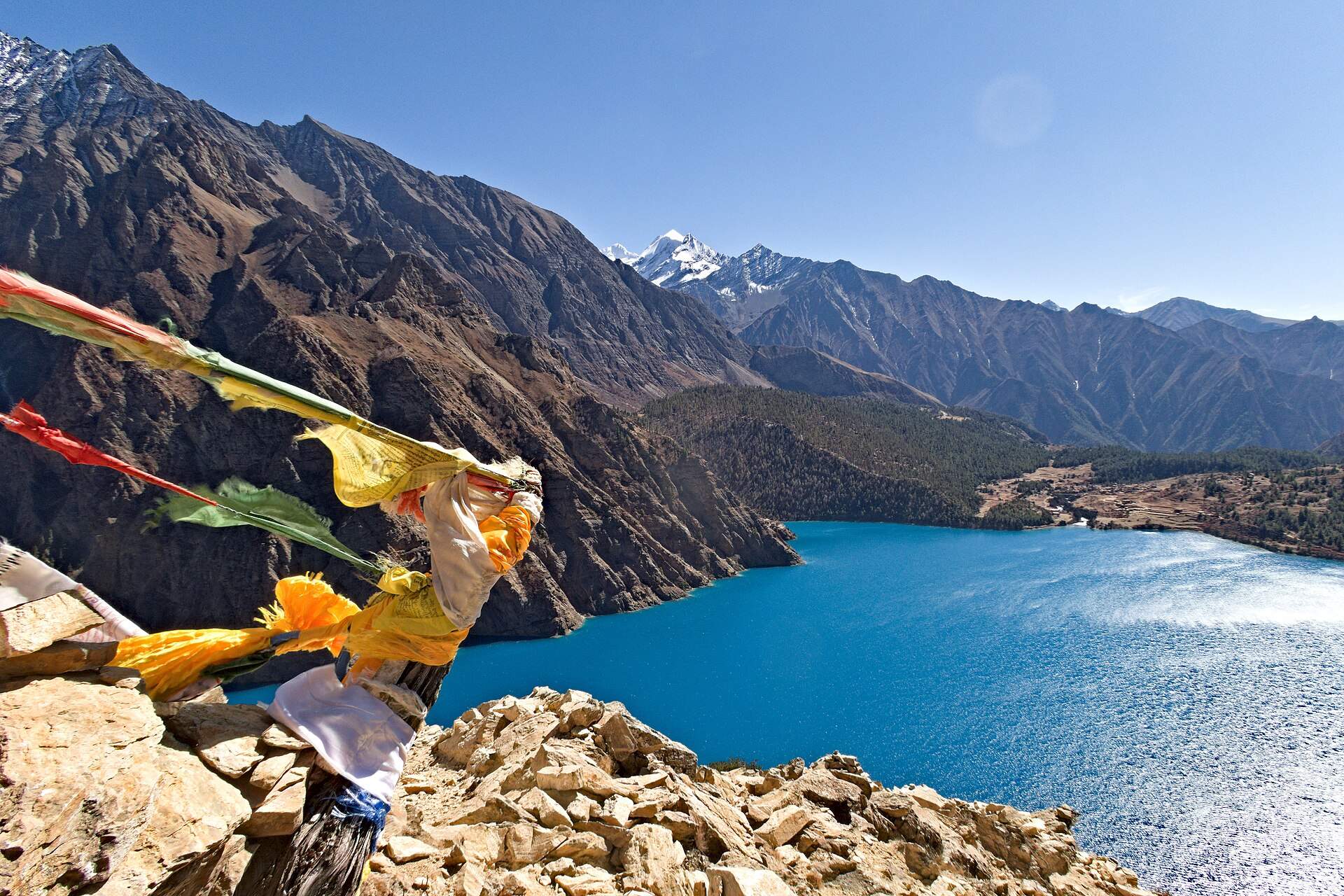
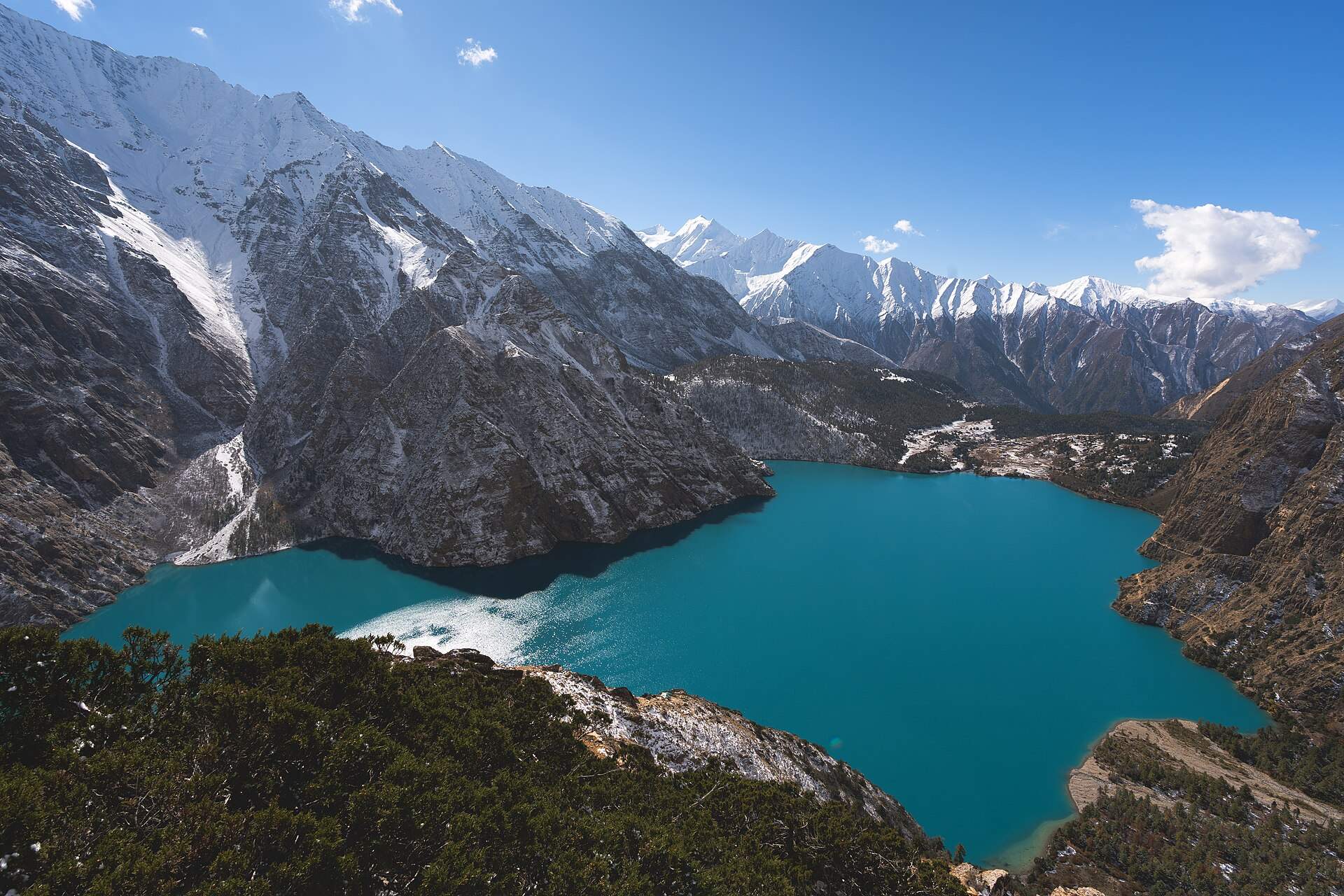
Dolpo is a remote region of western Nepal, north of Dhaulagiri and west of Mustang. Much of it lies inside Shey Phoksundo National Park. Lower Dolpo is known for Phoksundo Lake and the Buddhist villages of the Tarap valley. Upper Dolpo, beyond the Kang La, is a high, dry Tibetan Buddhist landscape of old monasteries and villages that sees very few visitors. Both are restricted areas and both are walked as camping treks.
Our Dolpo treks
- Lower Dolpo and Phoksundo Lake Trek (18 days, 13 on trail, 5,190 m on the Numa La): up the Tarap gorge to Dho Tarap, over the Numa La and Baga La and down to Phoksundo Lake. Suits fit walkers with multi-day experience, ideally including time above 4,000 m.
- Upper Dolpo Trek (25 days, 20 on trail, 5,360 m on the Kang La): Phoksundo Lake, Shey Gompa, Saldang and the Tarap valley, with three passes above 5,000 m. For experienced trekkers who have walked at 4,000 to 5,000 m and are comfortable camping for two to three weeks.
Permits in 2026
The Lower Dolpo restricted area permit costs USD 20 per person for the first week and USD 5 a day after that. The Upper Dolpo permit is listed by the Department of Immigration at USD 500 per person for the first 10 days and USD 50 for each additional day; another official page shows a different figure, so the fee is confirmed when the permit is applied for. Upper Dolpo trekkers also need the Lower Dolpo permit for the Tarap valley. Both treks need the Shey Phoksundo National Park permit, NPR 3,000 for foreign nationals and NPR 1,500 for SAARC nationals. A TIMS card is not needed with a restricted area permit.
Restricted area permits are only issued through a registered agency to trekkers walking with a licensed guide. Since 22 March 2026 a single trekker can get one, with at most seven trekkers per guide. The operator processes the permits in Kathmandu, which needs your original passport with a valid Nepal visa.
Getting there
Both treks start and finish at the Juphal airstrip, reached by a flight of about 35 minutes on small aircraft from Nepalgunj in the western lowlands. Juphal flights run only in clear morning weather, and delays of a day or more happen, especially in spring winds and the monsoon. Baggage is usually limited to 10 to 15 kg including hand luggage. Each itinerary holds a spare day, and a helicopter charter is the fallback for longer delays, so your insurance should cover it.
Seasons, altitude and difficulty
Lower Dolpo runs from April to June and September to November. Upper Dolpo runs in May and June and in September and October, when the high passes are most reliable. These are long, demanding treks with several nights above 4,000 m and steep, loose descents from the passes.
For permit rules across Nepal, see our guide to Nepal trekking permits.